



GardenSewa Blog
Impact of a Flower in Mental Health
Flowers can make a space feel more welcoming and give people a simple way to engage with nature. Explore how growing and caring for flowers can support everyday wellbeing.

Flowers create opportunities to connect with nature
A flower garden gives people something to notice: the shape of a leaf, a new bloom or the way light changes across a plant during the day. These sensory details can encourage a person to slow down and pay attention to their surroundings. Even a single flowering pot can create a small point of connection in a home or workplace.
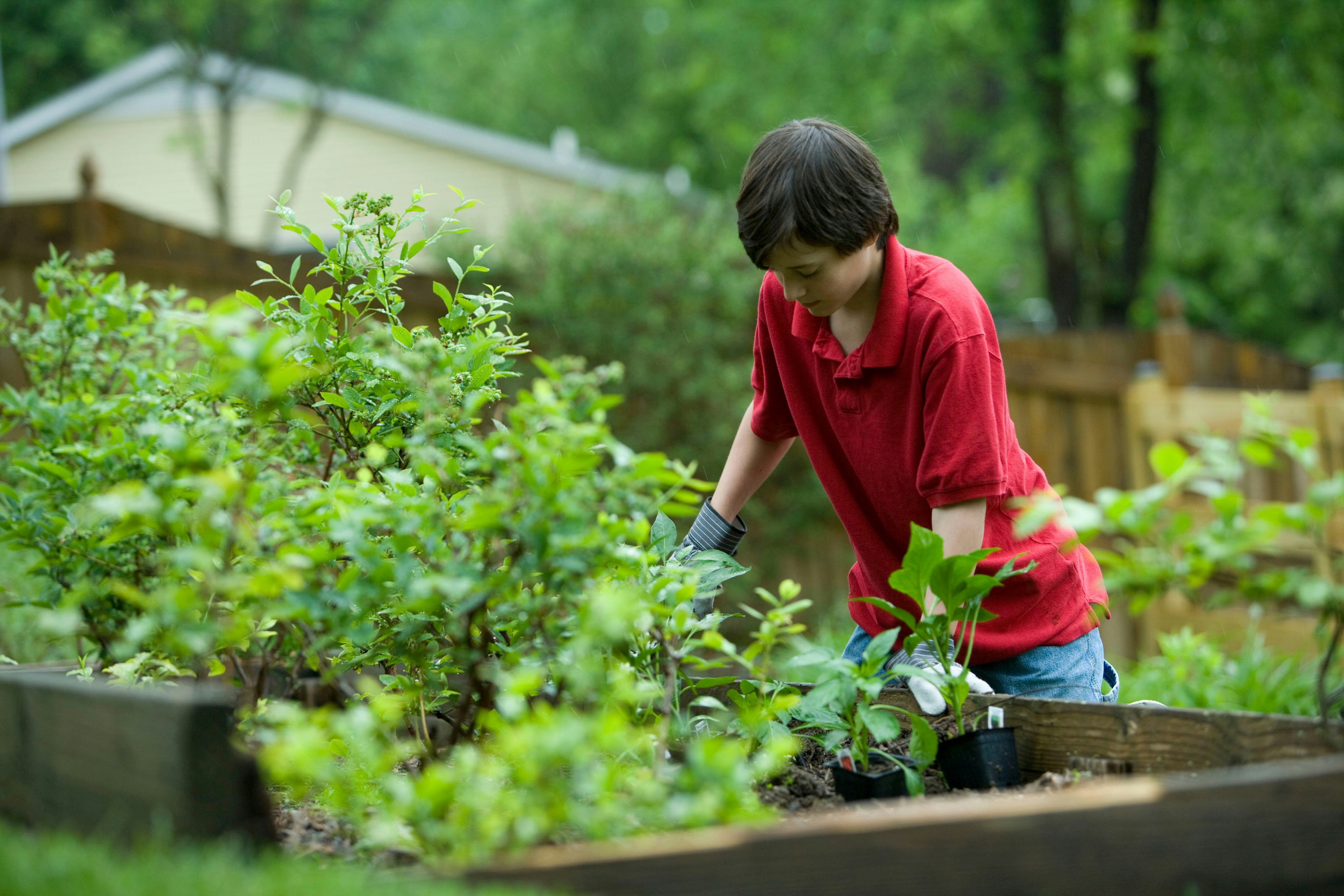
Gardening also introduces a steady rhythm. Plants change gradually, and their care involves small tasks such as checking soil, watering when needed and removing faded growth. For some people, this predictable routine can be a satisfying part of the day and a reason to spend a little time outdoors.
Shared gardening can bring people together
Flowers often have a social role. Neighbors exchange cuttings, families plant together and communities use shared gardens as places to meet. A simple task such as preparing containers or choosing seeds can create conversation across generations and experience levels.
Growing flowers can also make a home feel more inviting. Choose plants that suit the space and involve the people who will care for them. If time or mobility is limited, a few easy-to-reach containers and help with heavier tasks can make participation more comfortable.
Keep expectations realistic and caring
There is no single plant or gardening activity that works for everyone. Consider allergies, pets, available light and the time needed for maintenance. Begin with a manageable project, and adjust it if the routine becomes stressful rather than enjoyable.
Flowers and gardening may complement everyday wellbeing, but they do not diagnose or treat mental health conditions. Anyone experiencing ongoing distress should seek support from a qualified health professional. Gardening can be one positive activity among many, not a replacement for appropriate care.